
The Gap Between Tradition and Modernity: Reflecting on the Imperial Household
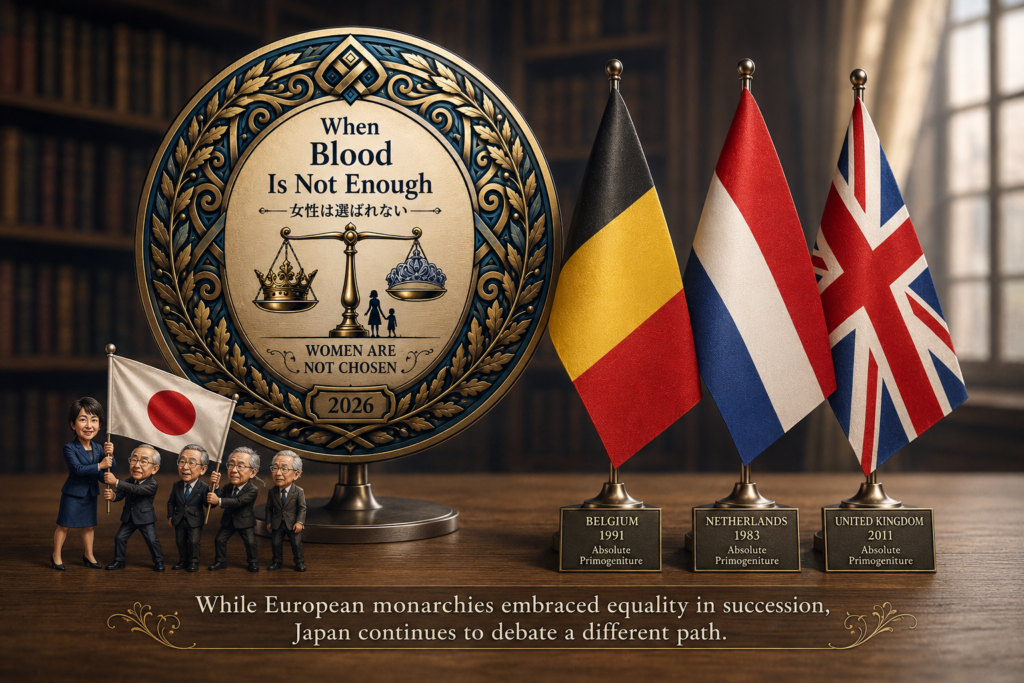
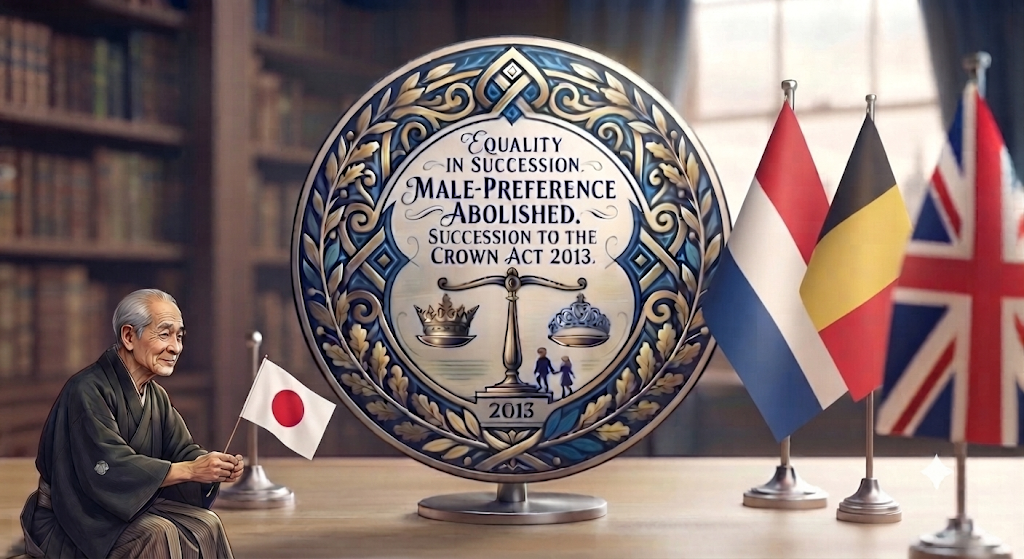
Over the past few decades, European monarchies have undergone dramatic transformations. Countries such as the Netherlands (1983), Belgium (1991), and the United Kingdom (2011) have all adopted absolute primogeniture, under which the firstborn child succeeds regardless of gender. Respect for women’s rights and the need to ensure a stable succession have become the global norm.
What, then, of the debate in Japan?
Ironically, Japan itself has a long history of flexibility. Throughout history, women ascended the Chrysanthemum Throne on multiple occasions, demonstrating that the Imperial institution has adapted to changing circumstances before. Yet some of the current proposals for revising the Imperial House Law appear to move in the opposite direction—not only from international trends, but also from Japan’s own historical precedent.
Specifically, these proposals would deny succession rights to the descendants of an Emperor’s daughter—even if the child were the son of Princess Aiko—while simultaneously allowing males adopted from former collateral branches to establish hereditary imperial lines whose male descendants could eventually ascend the throne.
This logic presents a profound contradiction for an Imperial institution that is meant to preserve continuity of the Imperial bloodline. It would exclude the Emperor’s own biological grandchildren while potentially granting succession rights to the descendants of adopted individuals. If such an unprecedented mechanism were enacted, the Imperial House Law, intended to preserve history and tradition, could instead undermine the very principles it seeks to protect.
What is at stake today is perhaps not merely the question of who becomes Emperor, but the broader philosophy of how the Imperial family should exist in a modern society. When proposals depart not only from international practice but also from Japan’s own historical experience, the contradiction becomes even more striking.
How can this widening gap between tradition and modernity be bridged?

コメント